


 Presentation
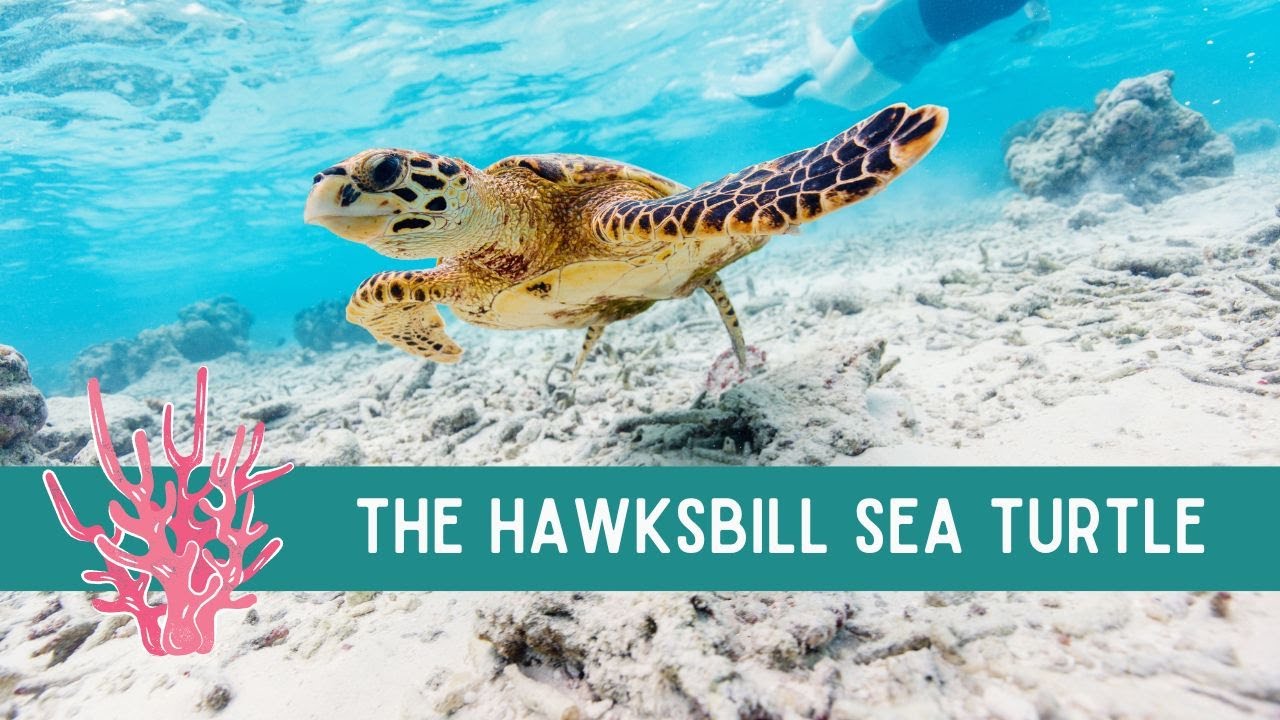
The Hawksbill Turtle
Learn about the amazing hawksbill turtle, and conservation work that protects them.
The Hawksbill Turtle

Hawksbill Turtle Facts!
Speed: Up to 24 km/h through water
Conservation status: Critically endangered
Diet: Omnivore
Feeding habits: Foraging predator
Habitat: Coral reefs
Nesting: Female hawksbill turtles return to the same nesting grounds where they were born to lay their eggs

Hawksbill sea turtles are known to help coral reefs stay healthy coral reefs and maintain marine ecosystems.
These turtles linger around the coastlines and prefer to live in tropical waters.

Hawksbill Turtles are highly migratory and are spotted in Qatar during the early summer months for the turtle nesting season.
While hawksbill turtles are spotted on various beaches in Qatar, the Fuwairit beach’s atmosphere and soft sand create the most perfect nesting hub.

Qatar as a country focuses on the conservation of its wildlife and has taken measures to aid the endangered hawksbill turtles via the Turtle Conservation Project.
The conservation studies monitor the turtles’ movements and protect the nests.
The hawksbill turtles lay around 60 to 200 eggs during the nesting season.

The turtles pick a spot, dig a hole to lay the eggs and return back to the sea.
When the need arises, these eggs are transferred to safer nests and protected until the hatchlings emerge.

Every year during spring, the Qatar Ministry of Environment closes the beach to allow for the female hawksbill to lay eggs without any danger of prying predators.
People can enjoy the experience of watching little hawksbill turtle hatchlings move down to the waters once the beach is opened.

 Watch the clip!
The End!


